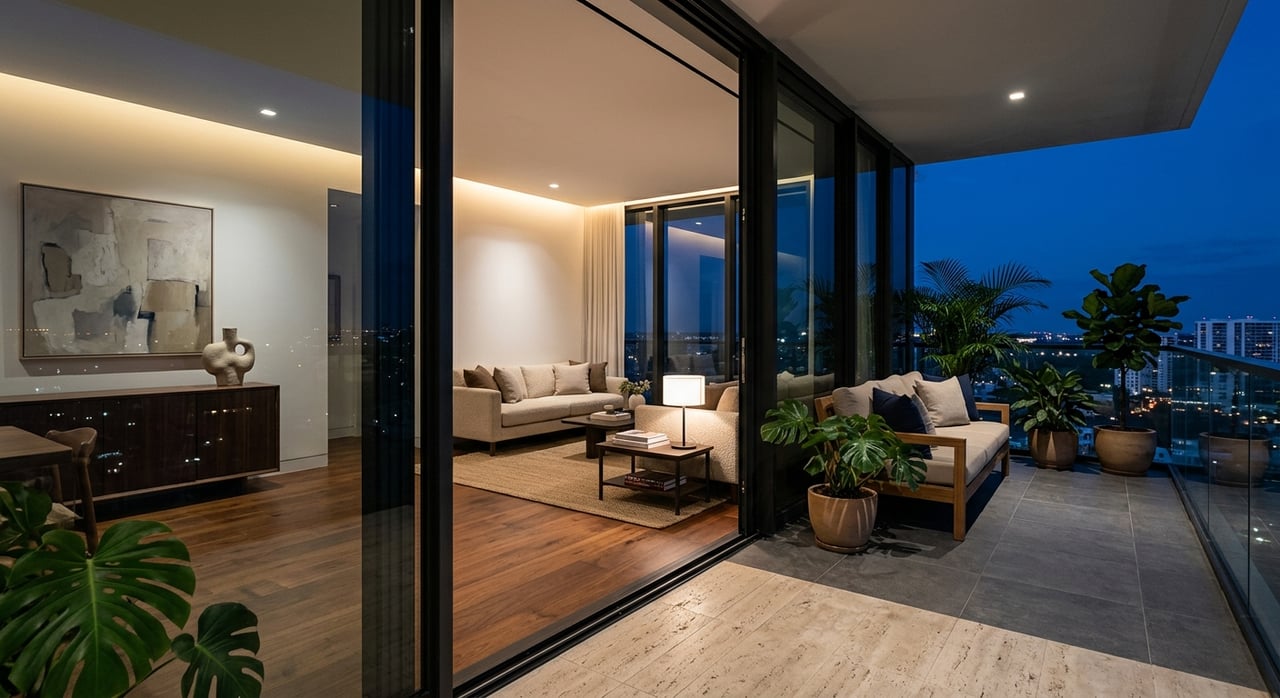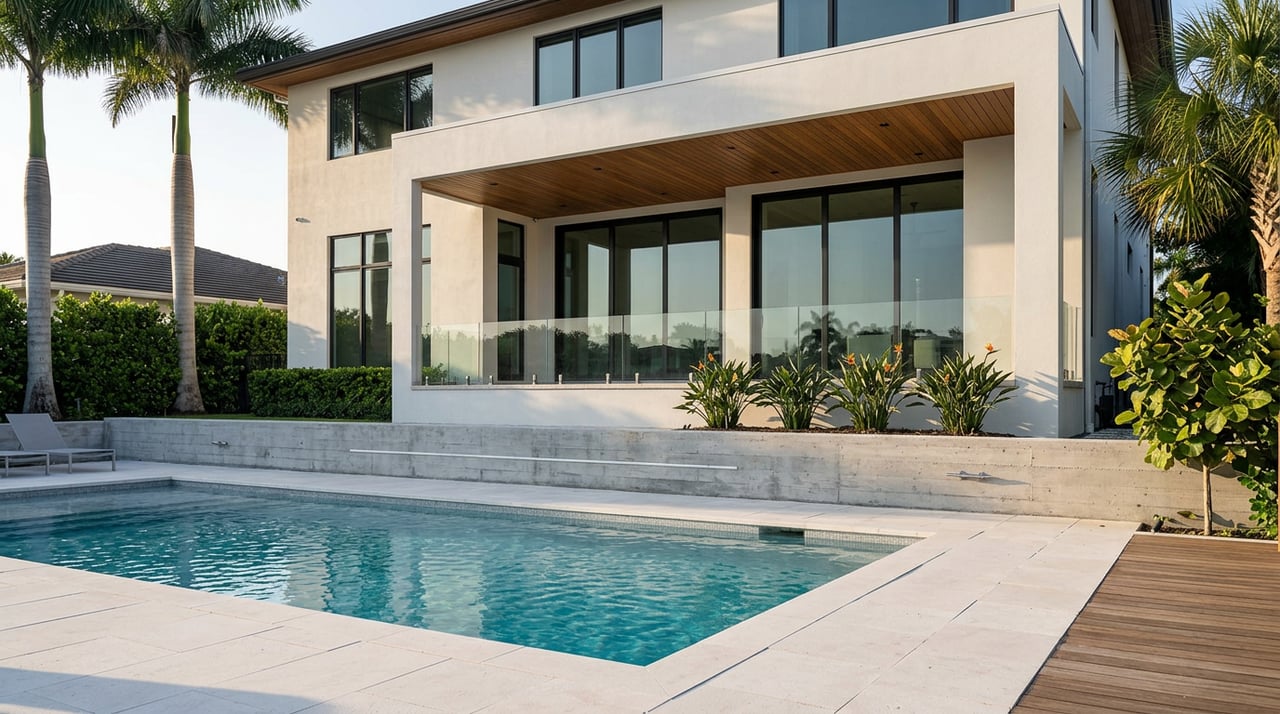
Water shapes life in Fort Lauderdale, and it shapes the real estate market too. If you are considering a waterfront purchase or sale, you are likely seeing a split story. Single-family homes on deep-water canals feel scarce and steady, while many waterfront condos are navigating new rules, inspections, and higher holding costs. In this guide, you will learn what is driving these changes, how single-family and condo segments differ right now, and what to check before you write an offer or list your property. Let’s dive in.
Snapshot: the waterfront market right now
Recent county and city reporting shows the frenzy of 2020 to 2022 has eased into more balanced conditions in parts of Broward, with a sharper contrast between property types. Single-family pricing has been firmer than many condo segments, and condo listing inventory and months of supply have risen. You can see this city and county trend shift in the latest local metrics summary from MIAMI REALTORS. Their Q4 2025 snapshot confirms softer momentum in several condo segments compared with single-family. Refer to the MIAMI REALTORS Broward report for context on how the broader market is performing today.
- Reference: see the MIAMI REALTORS city and county metrics for Q4 2025 for the latest county-level trends and context: Broward County market metrics.
What does this mean along the water in Fort Lauderdale and nearby cities like Pompano Beach and Deerfield Beach? In short, it is a two-track market. Ocean-access and deep-water single-family homes continue to command significant price-per-square-foot premiums because there are only so many lots with wide canals, good depths, and no low fixed bridges. At the same time, many waterfront condos have faced longer market times and higher inventory as new safety and reserve rules take hold, especially in older buildings. Your strategy should reflect which side of the split you are in.
Why demand stays strong on the water
Boating lifestyle and true deep-water access
Fort Lauderdale’s boating culture and access to Port Everglades and the New River create durable demand for ocean-access properties. Buyers who prioritize a “yacht lifestyle” focus on water depth, bridge clearance, dock length, and seawall condition. Those features are permanently scarce, which helps support pricing at the top end.
Migration and global capital
Southeast Florida continues to attract both domestic relocations and international buyers who favor Florida’s tax environment and climate. MIAMI REALTORS research shows international buyers made up a significant share of new-construction condo purchases through mid 2025, a trend that supports demand for luxury waterfront product and new developments across the region. See the association’s summary on international buyer activity: global buyers in South Florida new construction.
Product substitution is real
Some buyers who might have chosen older waterfront high-rises are shifting to single-family options for privacy and control. Others still prefer new luxury condos with modern engineering and amenities. That split helps explain why single-family indicators can hold up even when certain condo segments soften.
Single-family waterfront: scarce and resilient
If your focus is an ocean-access single-family home, you are competing in a niche with fixed supply. Deep-water frontage, wide canals, turning basins, and the absence of low fixed bridges are not things you can create later. That is why neighborhoods with premier access, such as Harbor Beach, Las Olas Isles, and parts of Rio Vista, often behave differently than narrower canal corridors or inland waterfront farther north. Trophy properties continue to anchor the top of the market, even when sales counts ebb and flow month to month.
What to keep in mind as a buyer:
- Prioritize location on the water. Depth, width, and current patterns are more valuable than an extra bedroom.
- Evaluate seawalls, docks, and pilings with an engineer or qualified marine contractor. Material condition can add or subtract real costs.
- Model total monthly costs, including homeowners insurance, wind coverage, and separate flood insurance. See more on insurance below.
- Be ready when the right property appears. Scarce features attract multiple buyers even in slower seasons.
What to keep in mind as a seller:
- Documentation is leverage. Permits and engineering for seawalls, docks, and lifts build buyer confidence.
- Elevation and mitigation matter. An elevation certificate, flood vents, and updated seawall heights can support insurance savings and marketability.
- Present the waterfront lifestyle. Sightlines, dock staging, and easy flow to outdoor spaces influence perceived value as much as square footage.
Waterfront condos: new rules reset the calculus
Post Surfside legislation changed how Florida condos are maintained and funded. State law now requires milestone structural inspections and Structural Integrity Reserve Studies for buildings three stories or higher, along with stricter reserve funding. The result is a clearer picture of building health, but also higher HOA fees in some communities and special assessments where repairs are needed. Review the Florida DBPR overview for a plain-language summary of what these rules require: Florida DBPR Condominium FAQ.
What this means for buyers:
- Older waterfront towers can present great views and locations, but you must underwrite the building’s financial and structural status, not just the unit.
- Newer or recently remediated buildings with strong reserves can offer a lower risk profile, even at higher prices.
- Lenders are scrutinizing budgets, reserves, and any open structural items, which can influence approvals and timelines.
What to request from the association before you commit:
- The latest milestone inspection and engineer reports.
- The building’s SIRS, current reserve balances, and planned reserve contributions.
- Recent meeting minutes reflecting capital projects and any special assessments.
- Confirmation of the master insurance policy, deductibles, and any exclusions related to flood or wind.
Ownership costs: insurance and flood reshape the math
Property insurance is stabilizing, but quotes vary
Florida’s property insurance market went through years of volatility. Recent actions point to signs of stabilization, including depopulation efforts and some approved rate adjustments. That is helpful, but waterfront properties still require careful underwriting. Start the quote process early for homeowners, wind, and flood. For context on the state insurer’s latest actions, see: Citizens Property Insurance press materials.
Flood insurance is more property specific
FEMA’s Risk Rating 2.0 calculates flood premiums by property, not just by map zone. Proximity to tidal water, first-floor elevation, and replacement cost all influence the rate. Low-elevation waterfront homes can see materially higher premiums. Get a sample quote upfront and request the elevation certificate from the seller. For a deeper dive on how Risk Rating 2.0 changes pricing, review this overview from the University of Florida: how flood premiums are changing.
Sea level rise and new FEMA maps
Regional sea level guidance adopted by local governments shows meaningful long-term increases. Broward County and the City of Fort Lauderdale actively plan for resilience, and the city’s 2024 FEMA remap expanded areas within the Special Flood Hazard Area. Over time, that influences valuation, permitting, and insurance for waterfront parcels. For planning context and recommended projections, see the Southeast Florida Climate Compact’s guidance: integrating unified sea level projections.
What to verify before you offer or list
Here is a practical checklist tailored to Fort Lauderdale and nearby Broward waterfront markets.
Seawall and bulkhead condition. Ask for prior engineering, elevation, and repair permits. City code sets standards for seawalls, docks, and mooring structures. Review recent permits through the city and confirm work quality. Learn more about local standards in the ULDR: dock and seawall rules.
Dock size, water depth, and bridge clearance. Confirm ocean access and any fixed bridges that limit vessel height or beam. Verify dock and boathouse dimensions are compliant. The ULDR outlines projection and mooring limits: boathouse and dock provisions.
Elevation certificate and flood zone. Obtain the certificate and pull sample NFIP and private flood quotes early. Risk Rating 2.0 makes premiums sensitive to first-floor height and distance to tidal water. See a practical overview here: how flood premiums are changing.
Condo building health. For buildings three stories or higher, request the SIRS, milestone results, reserve balances, meeting minutes, and any recorded or proposed assessments. Florida’s DBPR explains your rights and document access: Condominium FAQ.
Short-term rental rules. If rental income matters, confirm Fort Lauderdale’s vacation rental registration and layered county and state tax requirements, along with any HOA restrictions. Start with the city’s overview: vacation rental registration guide.
Insurance pathway. Get preliminary quotes for homeowners, wind, and flood. Confirm association master policies, deductibles, and exclusions for condos. For state-level insurance updates, see: Citizens Property Insurance press materials.
How to price and prepare a waterfront listing
Waterfront buyers shop with both their eyes and their calculator. Your preparation strategy should respect both.
- Lead with transparency. Provide a clean permit history for seawalls, docks, and lifts. Include the elevation certificate and any engineering reports. Buyers and lenders will ask for them.
- Highlight resilience investments. Elevated first floors, newer seawalls, impact openings, and drainage upgrades can improve insurability and perceived value.
- Stage the water. Arrange outdoor seating, lighting, and dock accessories to frame the view and flow. Small design moves can create a sense of calm and connection to the water.
- Use the right comps. Waterfront medians and price-per-square-foot are more reliable than averages because a few trophy sales can skew the data. Compare like with like on canal width, depth, and bridge limitations.
A design-forward agent can help you balance disclosure, presentation, and pricing so your home stands out online and in person.
Condos vs. single-family: which is safer today
There is no one-size-fits-all answer. Consider these tradeoffs.
- Well maintained, newer condos with healthy reserves and clean inspection reports can be excellent for a lock-and-leave lifestyle, often with strong amenities and security. Carrying costs can be predictable when reserves are fully funded.
- Older waterfront towers may come with special assessments or reserve catch-up, which adds risk and may slow financing. Diligence is key. Start with the DBPR Condominium FAQ to understand documentation and timelines.
- Single-family waterfront homes avoid association governance issues and provide privacy and control, but you assume full responsibility for seawalls, docks, wind, and flood coverage.
Financing and timing considerations
Lenders and appraisers are paying close attention to condo association health, reserves, and any open structural items, which can affect loan approvals and timing. For single-family, flood and wind coverage terms can influence debt-to-income calculations. Industry rate trackers placed average mortgage rates near the mid 6 percent range in early March 2026, which also shapes affordability and negotiation room. For a current snapshot of rate trends, review this tracker: mortgage rate updates.
If you are buying, align your offer timeline with your lender’s condo review or flood underwriting steps. If you are selling, assemble condo documents or property insurance information before you go live to reduce surprises in escrow.
Work with a design-forward waterfront advisor
Navigating Fort Lauderdale’s waterfront today requires both market intelligence and practical due diligence. The right strategy depends on your property type, water access, building profile, and carrying costs. If you want a calm, design-led plan for buying or selling, with clear steps and careful documentation, connect with Priscilla Gonsalves. Schedule a Consultation.
FAQs
How are Fort Lauderdale waterfront prices changing in 2026?
- City and county reporting show a cooler pace than the 2020 to 2022 surge, with single-family performing firmer than many condo segments and condo months of supply higher than in prior years.
What makes deep-water access valuable in Fort Lauderdale?
- Depth, canal width, and the absence of low fixed bridges allow larger vessels to reach the ocean, which is permanently scarce and supports higher price-per-square-foot on qualifying lots.
Are waterfront condos riskier to buy than houses right now?
- Condos involve building-level risk due to required inspections, reserves, and potential assessments, while single-family owners face higher flood and wind costs but control their own maintenance and governance.
Which condo documents should I review before making an offer?
- Request the milestone inspection, Structural Integrity Reserve Study, reserve balances, recent meeting minutes, current budget, and any recorded or proposed special assessments.
How do new FEMA maps and Risk Rating 2.0 affect my flood costs?
- Mapping and Risk Rating 2.0 make premiums more property specific, so elevation, proximity to tidal water, and replacement cost matter; obtain an elevation certificate and pull quotes early.
What should I prepare before listing a waterfront property?
- Compile permits and engineering for seawalls and docks, an elevation certificate, insurance information, and a staging plan that highlights views and indoor-outdoor flow, then price using comparable water access and depth.