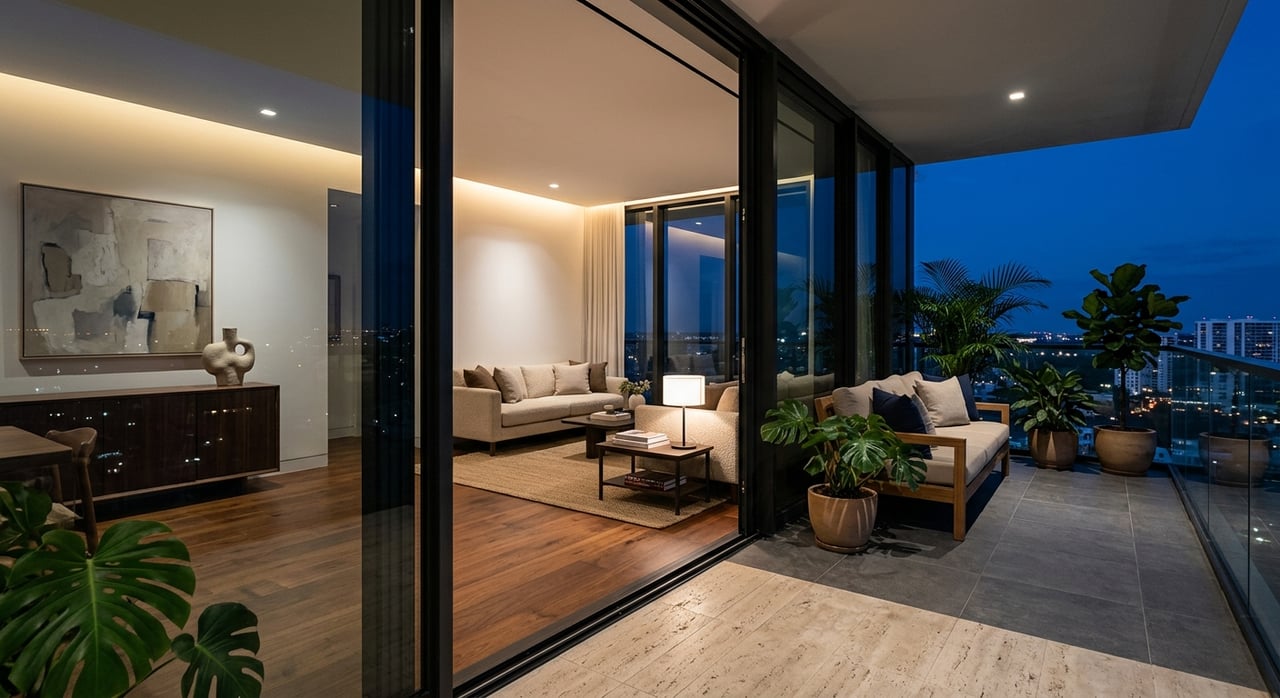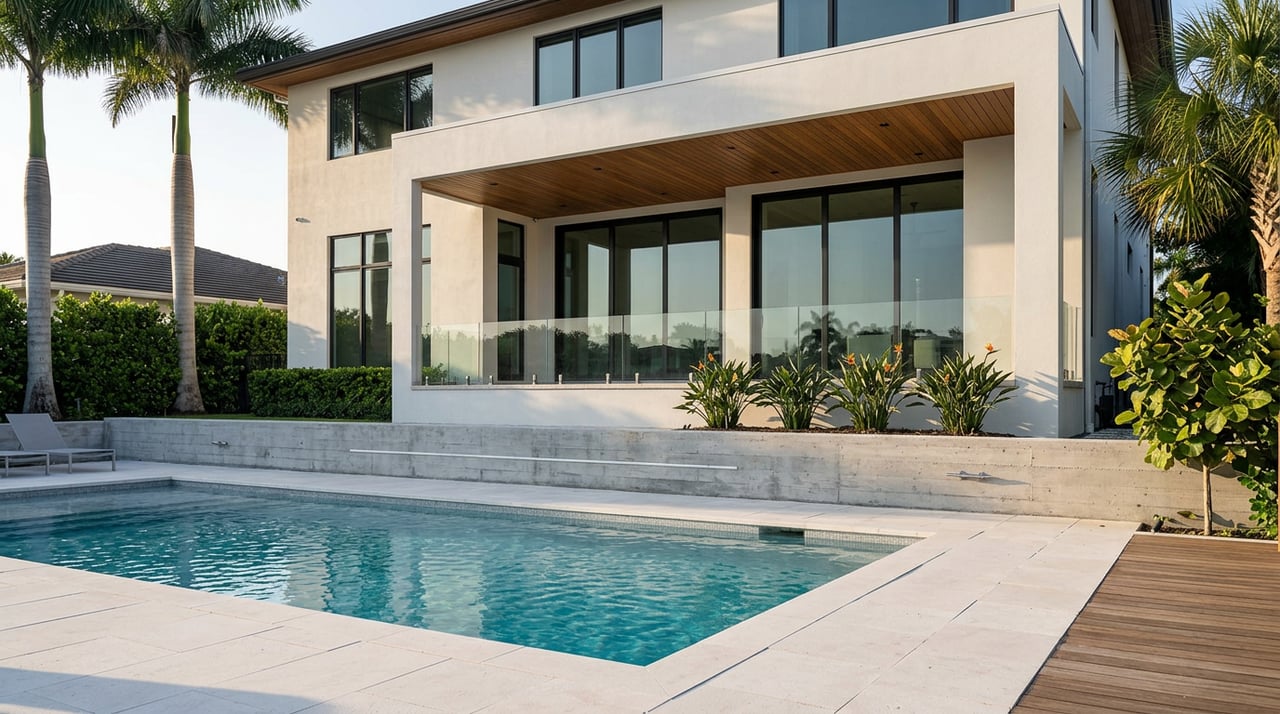
Buying a new-construction condo in Fort Lauderdale can feel exciting at first glance. Renderings are polished, model units are styled to perfection, and amenity decks can make every building look like the right one. But when you have many choices in the market, the smartest move is to look past the presentation and evaluate how a condo will actually live, carry, and compete over time. Let’s dive in.
Why evaluation matters in Fort Lauderdale
Fort Lauderdale’s condo market is not shaped by marketing alone. The city’s Downtown Master Plan guides development with a focus on public space, transportation options, mixed use, and design standards, while the city’s transit-oriented development guidance supports compact, pedestrian-friendly growth tied to key corridors.
That bigger planning context matters because there is still a large amount of supply ahead. The Downtown Fort Lauderdale Development Authority residential report notes that about 20,000 residences are in the pipeline and about 4,000 are under construction. For you as a buyer, that means future competition is part of the conversation from day one.
Current market data also supports a more careful approach. According to the Q4 2025 Broward condo and townhouse market summary, Fort Lauderdale had 1,632 active listings and 12.3 months of supply, even as pending sales improved year over year. In a market with meaningful inventory, product quality and resale story matter more than polished branding.
Start with the documents
Before you fall in love with a view or a lobby concept, confirm what the developer is actually required to provide. Under Florida Statute 718.503, buyers in a developer sale must receive the prospectus or offering circular and related documents before there is an enforceable contract. The same law also makes clear that oral statements should not be relied on as the correct statement of the developer’s representations.
That point is especially important in pre-construction. If the building is not complete, the developer must also make plans and specifications available for inspection. In practical terms, the legal documents and finish schedule tell you more than the sales gallery does.
A model residence can help you understand scale and mood, but it is not the final authority. Your evaluation should center on what is in writing, what is included in the base price, and which visible features are actually upgrades.
Evaluate the floor plan like a daily user
A beautiful condo should also function well. In Fort Lauderdale’s new-construction market, where many projects position themselves as design-forward, layout efficiency can make a major difference in both daily comfort and long-term value.
As you compare units, focus on how the home works in real life:
- Does the floor plan lose too much space to hallways or oversized circulation?
- Are bedrooms separated enough for privacy and noise control?
- Is the balcony or terrace truly usable, or just visually appealing in marketing materials?
- Do the closets, storage areas, and utility spaces fit your daily needs?
- Is parking assigned and convenient for your lifestyle?
This is where design literacy matters. A unit can photograph beautifully and still feel awkward because furniture placement is limited, storage is thin, or the outdoor space is too shallow to use comfortably. You want a home that feels balanced, functional, and easy to live in.
Look closely at light, heat, and noise
Natural light sells condos, but light quality is only part of the story. You should also think about heat exposure, privacy, and sound.
Ask how the unit handles direct sun, especially western exposure. In South Florida, a bright afternoon view may also mean more heat load and less comfort on the balcony during certain hours. A smart evaluation looks at both ambiance and day-to-day livability.
Noise is just as important. Ask about nearby elevator banks, trash chutes, mechanical rooms, and street exposure. If possible, compare where the unit sits in relation to active amenity areas, service zones, and traffic corridors.
Separate standard finishes from upgrades
New-construction marketing often highlights a beautifully edited version of the product. That does not always mean every finish you see is included.
When you review a project, ask for a clear breakdown of standard specifications versus upgrade packages. Cabinetry details, appliance packages, flooring selections, lighting, built-ins, and trim elements can all affect both your budget and the unit’s resale position later.
The goal is simple: understand the delivered product, not the staged version. If you are deciding between similar buildings, finish quality and consistency often become a real differentiator once the initial excitement fades.
Review amenities with a long view
A long amenity list can sound impressive, but not every feature adds equal value over time. In many cases, the best amenity package is the one that supports everyday convenience while keeping operating costs more manageable.
Fort Lauderdale’s planning framework emphasizes walkability, public realm connections, and transit access, as seen in the city’s Downtown Master Plan. That suggests a practical question for buyers: does this building support how you will actually live, or is it leaning too heavily on headline features?
As you evaluate amenities, ask:
- Which amenities will be open at delivery?
- Which features are planned for a later phase?
- What do monthly dues cover, and what is excluded?
- Are there practical amenities like package handling, bike storage, guest parking, and extra storage?
- Do building rules align with your future plans, including the possibility of renting later?
A rooftop pool and lounge may be appealing, but practical convenience tends to hold up well over time. In a competitive market, buildings that are easier to live in can also be easier to resell.
Study the association and financial picture
Association due diligence is one of the most important parts of condo evaluation. Florida law gives buyers access to key records, and those records often tell you whether the building’s operations match the sales pitch.
According to Chapter 718, resale buyers are entitled to current copies of core condominium documents, including the declaration, bylaws, rules, annual financial statement and budget, and certain inspection and reserve-study disclosures when applicable. The state’s DBPR condominium FAQs also explain that official records must be made available within 10 working days after a proper written request and include items such as plans, permits, warranties, budgets, and financial reports.
For a new-construction condo, these questions matter:
- How high are the monthly dues?
- What exactly do they cover?
- Is the association reserve-funded?
- Are there any pending lawsuits, special assessments, or restrictions that could affect your plans?
Even in a luxury building, the monthly cost structure has to make sense. If dues are high, you want to know whether they support meaningful services and sound long-term maintenance, not just a long list of expensive features.
Understand inspections and reserve requirements
Post-Surfside regulations changed the condo conversation across Florida, and they are highly relevant in Fort Lauderdale given the area’s concentration of coastal and high-rise housing. Under Florida law on milestone inspections and structural integrity reserve studies, milestone inspections apply to certain buildings that are three habitable stories or more as they age, and structural integrity reserve studies are required at least every 10 years for qualifying condominium buildings.
The same legal framework also notes deadlines for existing owner-controlled associations and allows some milestone and reserve work to be coordinated by the end of 2026. Before developer turnover, the developer must also have a turnover inspection report for each building that is three stories or higher.
For you, the takeaway is straightforward. Ask whether a milestone inspection has been completed when required, whether a structural integrity reserve study exists, and whether there is a turnover inspection report. These documents are central to understanding future repair exposure and the risk of unplanned assessments.
Know the warranty timeline
Warranties matter, but they are also time-sensitive. Under Florida’s condominium warranty statute, purchasers receive an implied warranty of fitness and merchantability for the unit for three years, along with separate one-year or three-year warranty periods for certain other condominium components depending on the item.
There is also a seven-year outside deadline for construction-defect actions tied to the relevant certificate of occupancy or completion event. That makes early documentation important. If something appears off after closing, it is wise to identify it promptly and keep a clear record of repair requests.
This is not only about current comfort. A well-documented history can also support a cleaner resale story later.
Check flood exposure by address
Flood risk should be part of every Fort Lauderdale condo review, especially for buildings near the beach, the Intracoastal, or the New River. General neighborhood reputation is not enough. You need to verify the exact address.
Broward County’s FEMA flood map resources and the City of Fort Lauderdale’s flood-risk guidance can help you confirm flood designations, coastal high-hazard areas, and related insurance considerations. These factors can affect carrying costs, lender review, and future buyer perception.
For that reason, flood exposure is not a side issue. It is part of the condo’s long-term marketability.
Compare the project to future supply
A condo should not be evaluated in isolation. In Fort Lauderdale, your future resale or rental competition may include projects that are still being planned today.
With a large development pipeline downtown, undifferentiated units may face more pressure over time. A project is often more resilient when it offers an efficient floor plan, credible finish quality, transparent documentation, practical amenities, and a location that fits the city’s long-term walkable and transit-oriented growth pattern.
This is where a calm, design-aware buying strategy can protect you. The most attractive option on launch day is not always the one with the strongest long-term position.
A smart Fort Lauderdale condo checklist
If you want a simple way to organize your review, focus on these points:
- Confirm the prospectus, offering circular, plans, and specifications
- Verify what is included in the base price
- Compare the model unit to the actual contracted finish schedule
- Evaluate layout efficiency, light, heat, balcony usability, and noise
- Review parking, storage, and daily-living practicality
- Study amenities in relation to dues and maintenance costs
- Request association records and financial documents
- Ask about reserve funding, milestone inspections, and turnover reports
- Review warranties and keep early repair documentation
- Check the exact property address for flood-zone and insurance implications
- Compare the project against likely future supply nearby
Buying new construction can absolutely be the right move, but only when the decision is grounded in documents, function, and long-term value. If you want thoughtful guidance that pairs market perspective with a design-trained eye, Priscilla Gonsalves offers a calm, concierge-style approach to help you evaluate Fort Lauderdale condos with more clarity and confidence.
FAQs
What documents should you review before buying a new-construction condo in Fort Lauderdale?
- You should review the prospectus or offering circular, related condominium documents, and for pre-completion sales, the plans and specifications made available under Florida Statute 718.503.
What should you look for in a Fort Lauderdale condo floor plan?
- You should check layout efficiency, bedroom separation, balcony usability, storage, parking convenience, natural light, heat exposure, and potential noise from building systems or nearby streets.
Why do monthly condo dues matter when evaluating new construction in Fort Lauderdale?
- Monthly dues affect your carrying costs and can influence resale appeal, so it is important to understand what they cover, what they exclude, and whether the amenity package seems practical to maintain.
What association records can you request for a Fort Lauderdale condo?
- Florida condominium law and DBPR guidance indicate that official records can include governing documents, budgets, financial reports, plans, permits, and warranties, which help you verify how the building is being operated.
How do milestone inspections and reserve studies affect Fort Lauderdale condo buyers?
- These requirements can shape future repair planning and special-assessment risk, so you should ask whether a milestone inspection, structural integrity reserve study, or turnover inspection report applies to the building.
Why should flood zones be part of a Fort Lauderdale condo evaluation?
- Flood designation can affect insurance, lender review, carrying costs, and future resale, which is why it is important to verify the exact address using Broward County flood-map resources.
How does future condo supply affect new-construction condo value in Fort Lauderdale?
- With substantial pipeline activity downtown, units that lack strong layout, finish quality, practical amenities, and a solid location may face more competition over time.